
A civil society network and think tank for Polish schools
We are a coalition of almost 100 civil society organisations working for good, democratic schools in Poland. We turn the experience of teachers, schools and NGOs into evidence-based proposals – and bring them to the people who make education policy.
95+ member organisations, from local associations to international NGOs
32 experts in our Citizens’ Think Tank
66 analyses and reports, plus 27 policy papers and positions
6 Summits for Education since 2023
40+ youth debates on the future of Polish schools in 2025
20,000 teachers, school leaders and activists reached by our newsletter
SOS for Education (Sieć Organizacji Społecznych dla Edukacji – the Network of Civil Society Organisations for Education) brings together almost 100 NGOs working in education. Our members range from small local associations to national and international organisations such as WWF Poland, Amnesty International Poland and Polish Humanitarian Action.
We work as a knowledge broker. We connect those who create knowledge about schools – teachers, school leaders, researchers and NGOs – with those who need it to make decisions: the Ministry of Education, Parliament, local governments and the media. Our members keep their own programmes and voices. What unites them is the Civic Pact for Education, a shared set of values and directions for change.
We want schools that are modern, democratic and friendly to students, parents and teachers. Schools that young people want to go to, that develop key competences rather than rote knowledge, and that prepare them to live as engaged citizens in a changing world.

Signed in 2022 by more than 70 organisations, teacher unions and local government associations, the Pact sets out ten principles for Polish schools.
We started by defending the autonomy of Polish schools. Today governments use our proposals. Here is how the network has grown – and what has changed along the way.
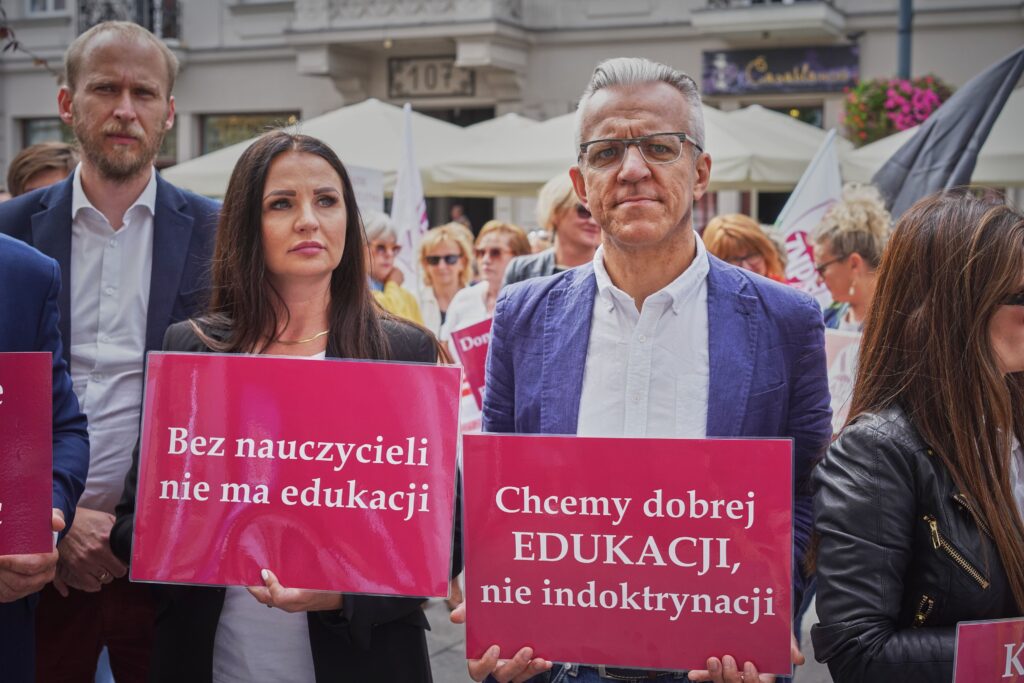
Civil society organisations join forces to defend school autonomy against plans to centralise and politicise education. The network publishes its first policy papers, “What kind of school do we want?”.

More than 70 organisations, teacher unions and local government associations sign the Civic Pact for Education. The “Lex Czarnek” bill, which would have centralised control over schools, is vetoed after a broad civic campaign in which the network took part.
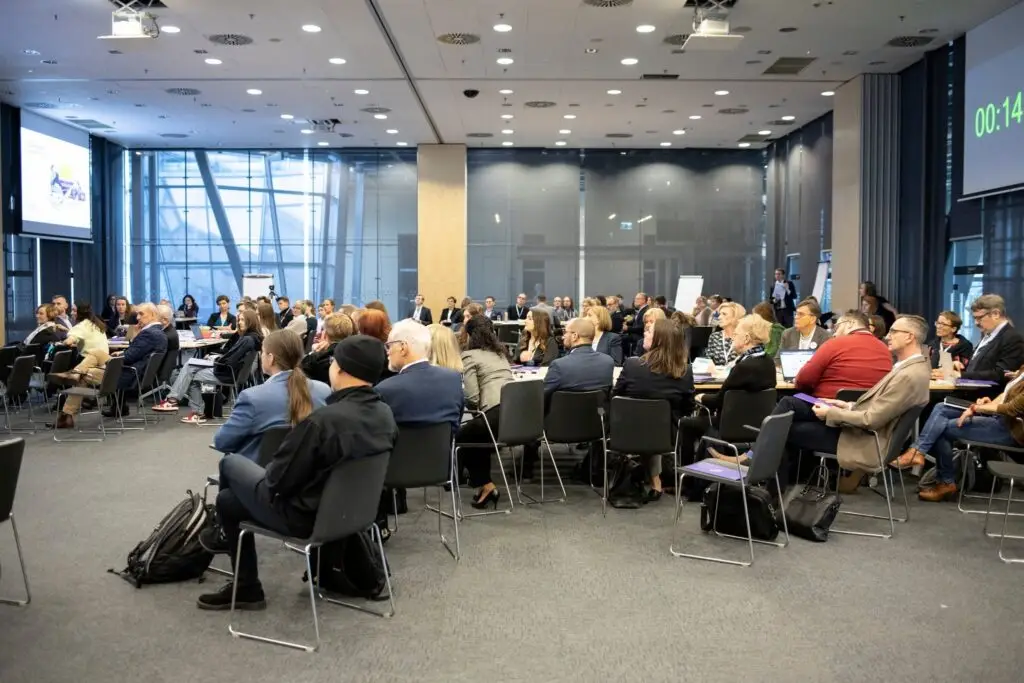
Our first Summit for Education brings together 170+ experts, who develop more than 100 recommendations. Eight political parties sign the Civic Pact and our “10 solutions for the first 100 days”. After the October elections, several of them – including teacher pay rises and a lighter core curriculum – become government policy. We publish the Education Roadmap.
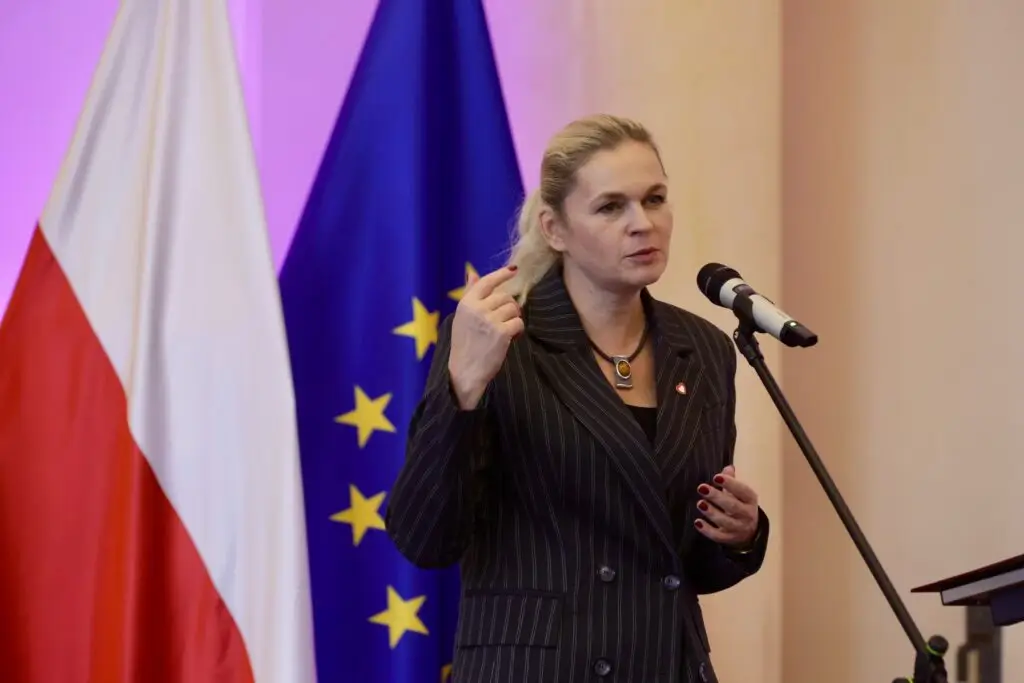
Ahead of the local and European elections, we propose the Local Government Postulates for Education and the European Charter for Education. Our recommendations on the graduate profile and the new core curriculum go to the Educational Research Institute (IBE).
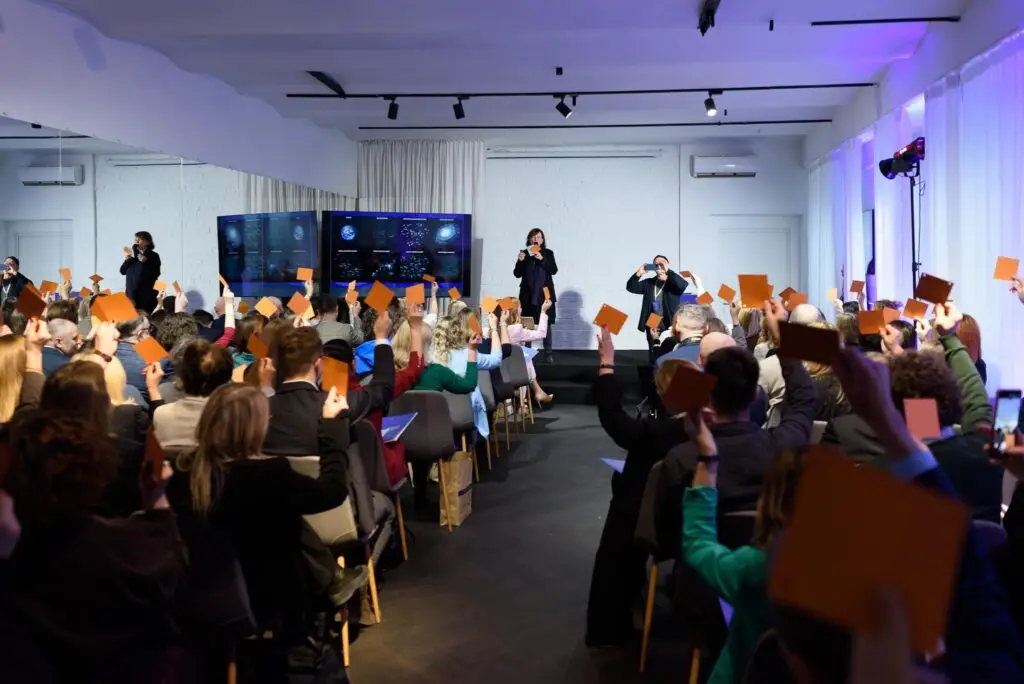
We launch the Citizens’ Think Tank with expert teams in five areas, hold 40+ youth debates and open our YouTube channel. Our sixth Summit, “Education at the centre”, brings together 170+ participants, including the Deputy Minister of Education.
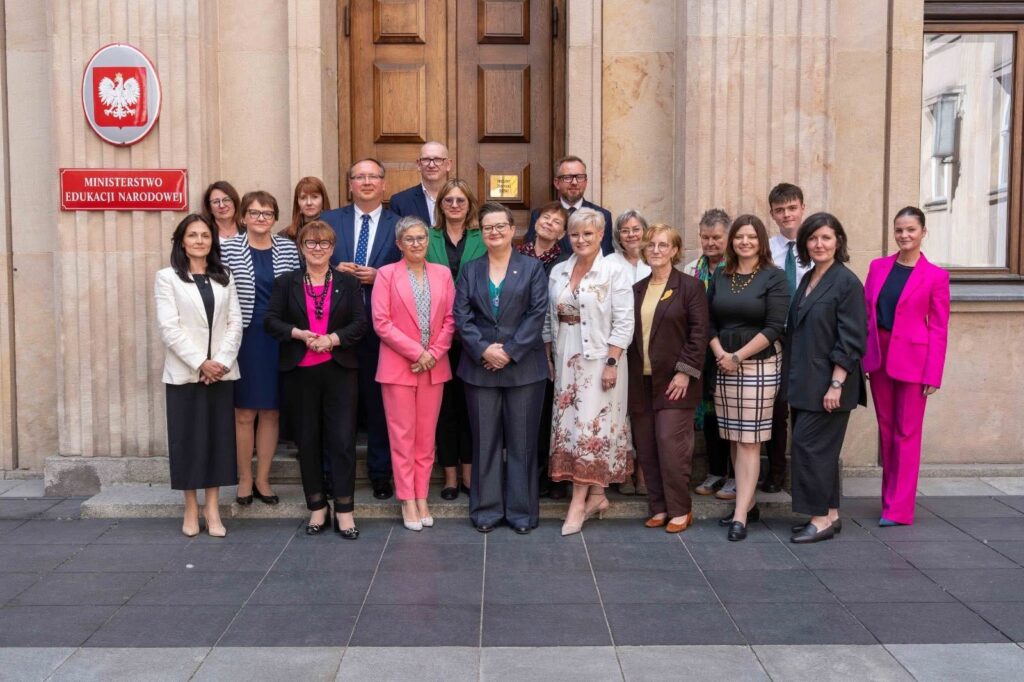
Following our proposals, the Ministry of Education sets up a team on guidelines for teacher training placements. Our draft standard for teacher education, backed by more than 100 academics, goes to the Ministry of Education and the Ministry of Science. The Minister announces compulsory health education, which more than 40 organisations called for in our appeal. We launch the nationwide pilot Mistrzowskie Praktyki and deliver to the Prime Minister an appeal for a multi-year teacher pay plan.
Many of these changes were called for by others too. We do not claim them alone – our role is to make sure that the experience of schools and NGOs is on the table when decisions are made.
We bring together three things that rarely meet in one place: the everyday experience of schools and NGOs, expert analysis, and direct dialogue with decision-makers.
Where knowledge comes from
SOS for Education
Who uses it
Pilots and feedback from practice return to schools and member organisations.
Almost 100 member organisations share knowledge, information and contacts – and speak with one voice when it matters.
32 experts turn this experience into analyses, policy papers and practical recommendations.
Summits, debates and our seat on the Ministry of Education’s advisory team bring these proposals to the people who decide.
Our members range from small local associations to national foundations and international NGOs. Together they cover almost every area of school life – from civic, global and climate education to student wellbeing, teacher development and local education policy.
The network gives members what they could not easily achieve alone: a stronger voice in policy, first-hand information about legislation and consultations, and partners from other regions and fields. Members decide how they get involved. Some co-author reports and speak at parliamentary committees. Others sign joint positions and share our work with their audiences.
We have held more than 50 network meetings, online and in person, where members prepare joint positions, appeals and events. A joint position signed by dozens of organisations from all over Poland carries weight that no single organisation has. There are no membership fees.








Any civil society organisation that shares our goals and accepts the Civic Pact for Education can apply. Send us a short description of your organisation. Applications are shared with all members, and the coordinating team announces the decision.
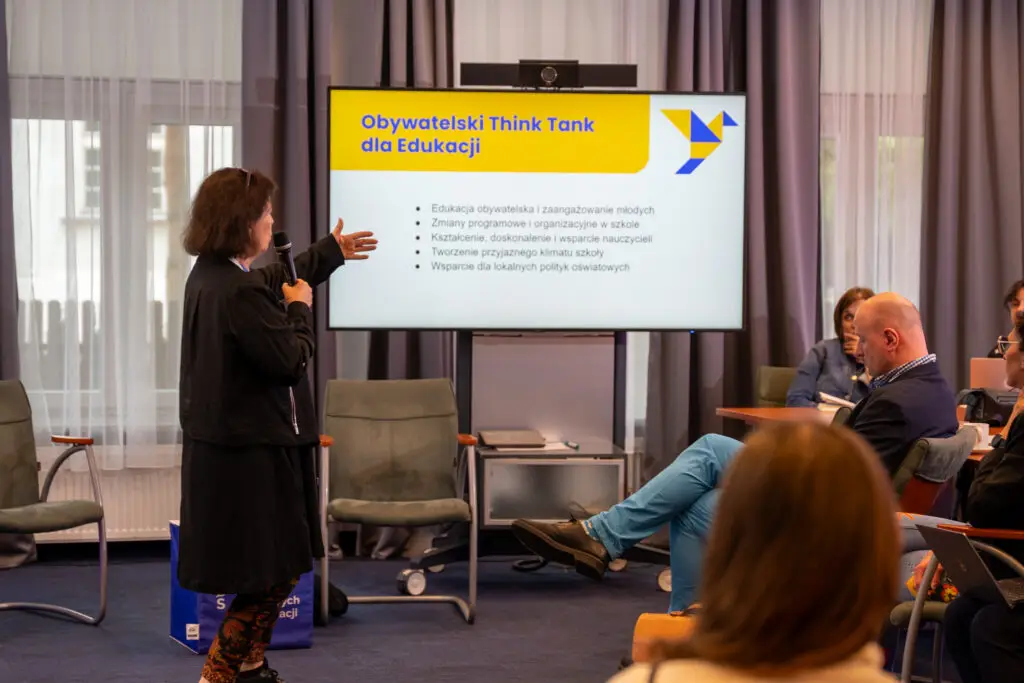
In 2025 we launched the Citizens’ Think Tank – an independent expert hub where 32 experts from NGOs, universities and schools turn practice into policy proposals.
We do not design reforms from behind a desk. We listen to the people who make schools work – teachers, students, parents, school leaders and local officials. We run civic surveys and focus groups and collect good practice. From this we develop recommendations for the national education system and for individual municipalities, schools and teachers.
Better initial training, school placements and support for teachers throughout their careers.
A new school subject and a school that teaches democracy by practising it.
Wellbeing, safety and preventing violence and hate.
The graduate profile, the core curriculum and how schools prepare for reform.
Tools and recommendations for municipalities and school authorities.
Working groups on subject didactics, IT, AI and STEAM, and teachers’ professional self-government.
So far we have published 66 analyses and reports, 27 policy papers and positions, 11 micro-strategies for teachers and more than 70 examples of good practice – all free to use. Our series “Brief: Facts about Education” (Brief. Faktycznie o edukacji) sums up key data and research, such as the OECD PISA results, for decision-makers and journalists.
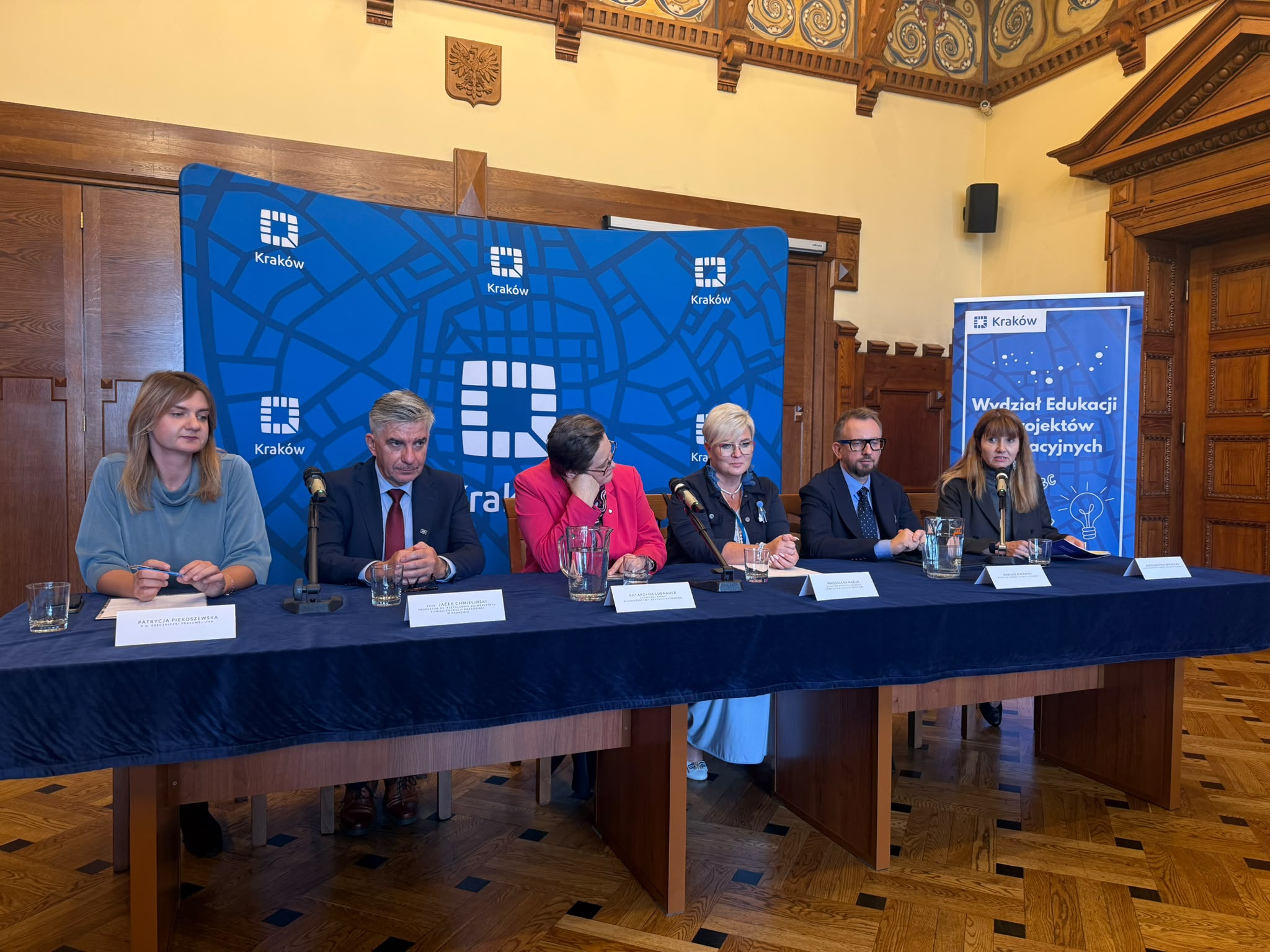
We sit on the Ministry of Education’s team for cooperation with civil society, comment on draft laws and regulations, and speak at parliamentary committees. At our suggestion, the Ministry surveyed schools and preschools on their readiness for the curriculum reform, in a survey designed together with the Educational Research Institute (IBE) and the Centre for Education Development (ORE).
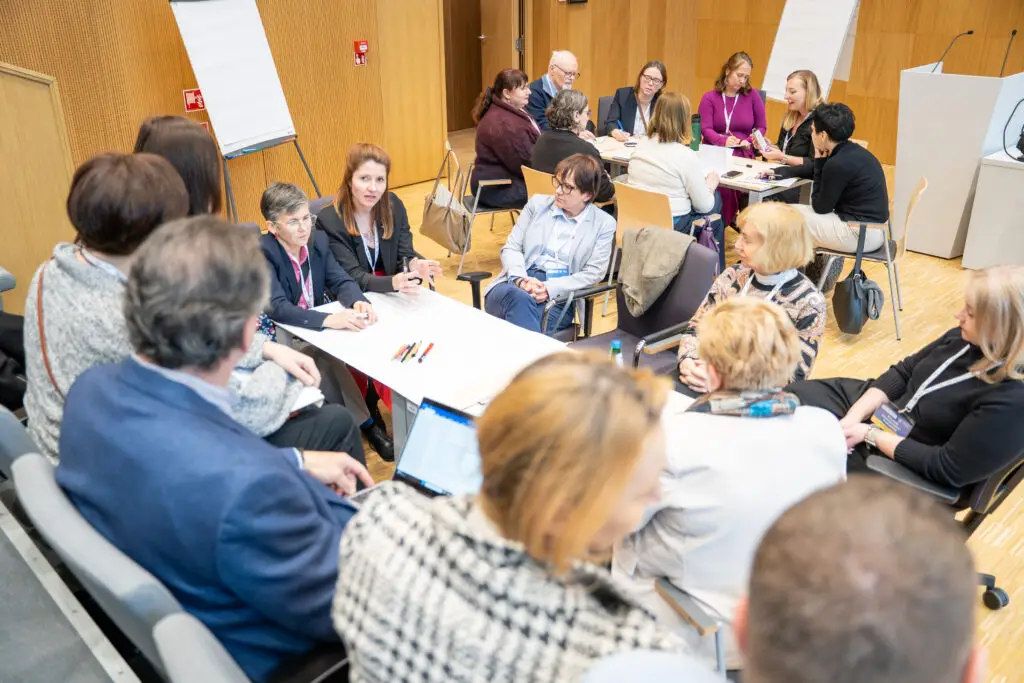
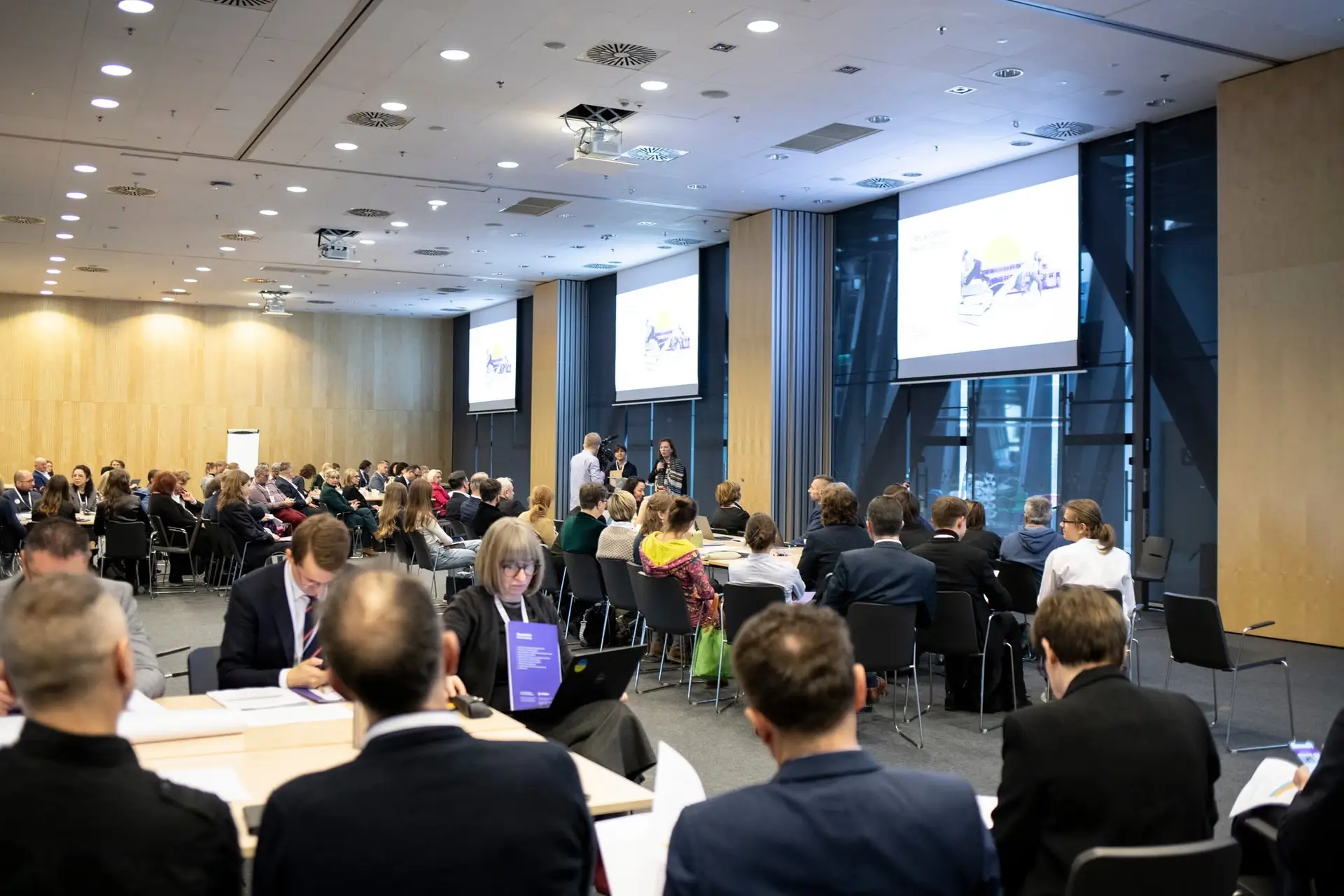
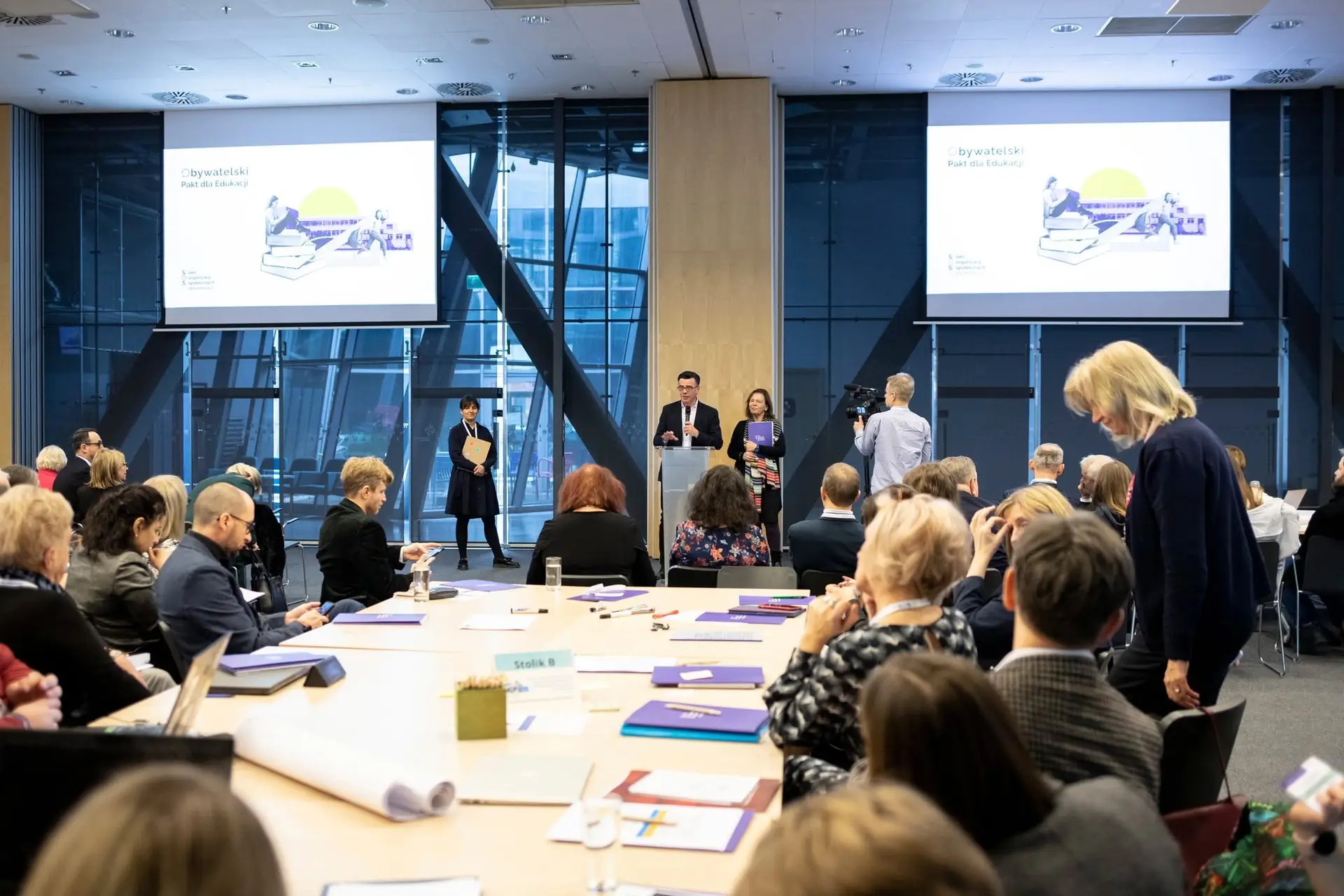
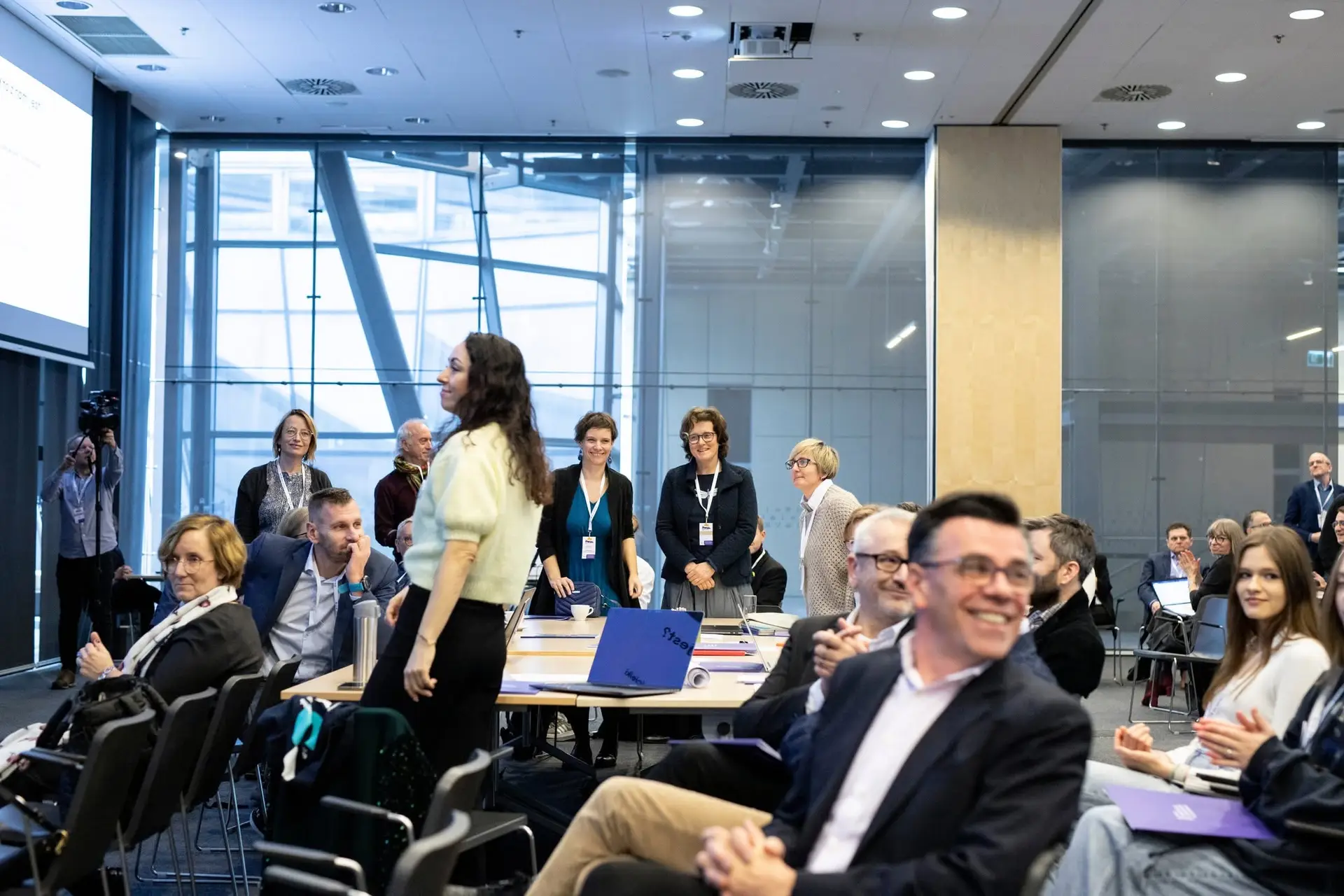
Every year we host the Summit for Education (Szczyt dla Edukacji), which brings the Ministry of Education, national education institutions, local governments, universities, schools and NGOs to one table.
Since January 2023 we have held six Summits, each with 150–200 participants: ministers and officials, researchers, school leaders, teachers, students and NGOs. Every Summit ends with recommendations. The first one alone produced more than 100 solutions in five areas.
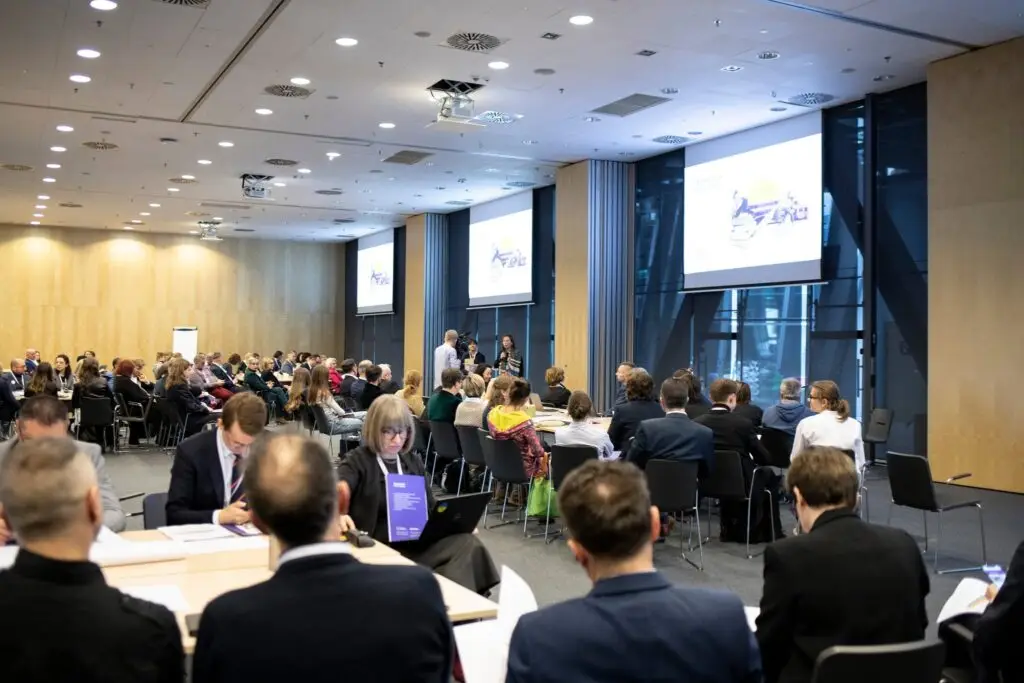
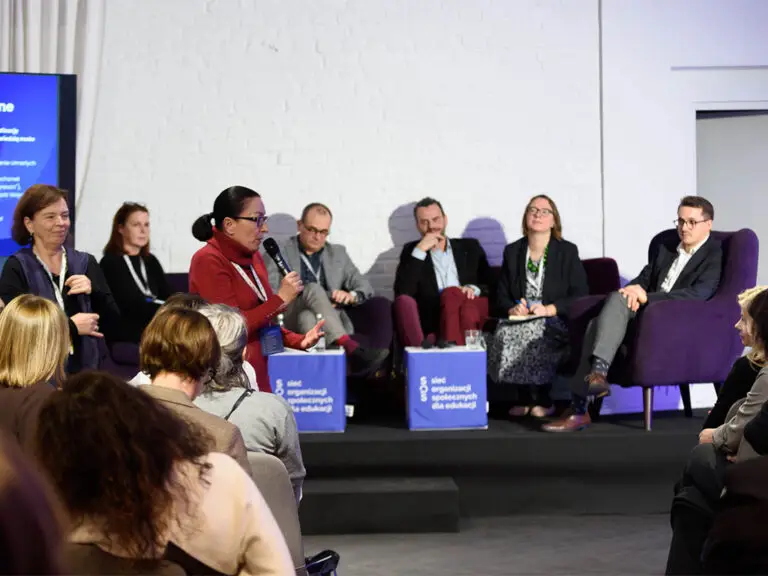
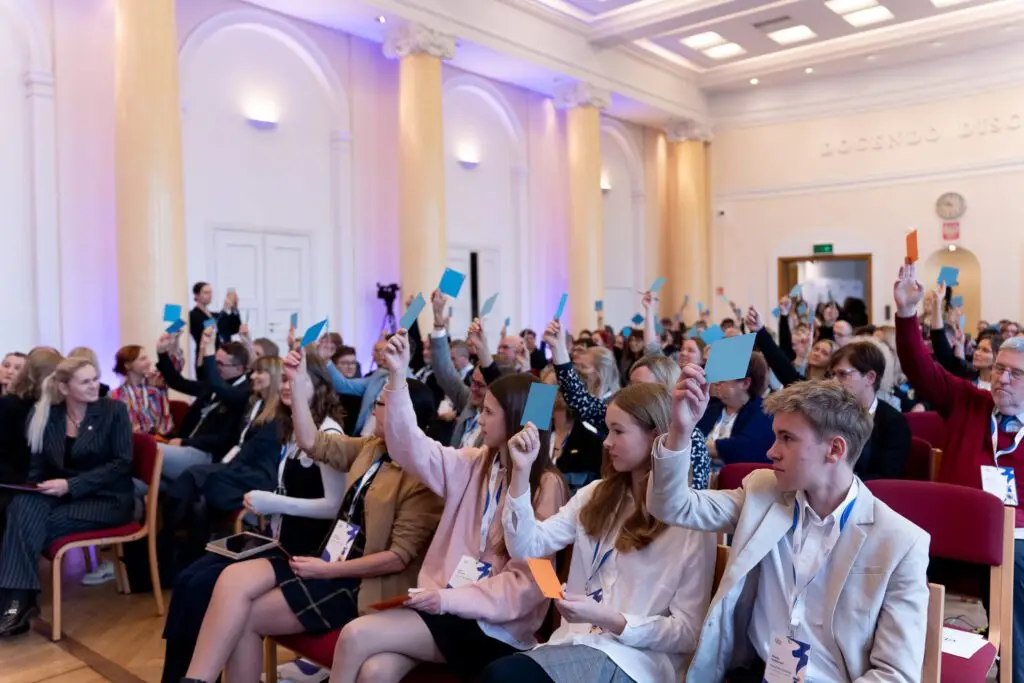
3 December 2026, Copernicus Science Centre, Warsaw. An educational odyssey: how do we reach our destination?
We also open debates beyond expert circles.
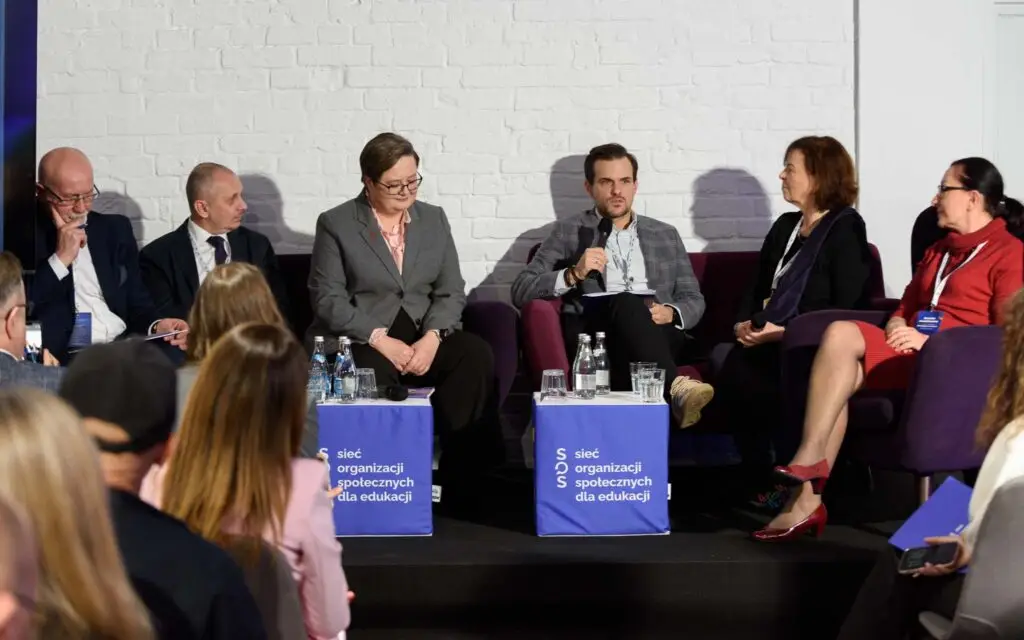
Open debates on difficult topics in education (Edukacja warta rozmowy), with more than 400 participants so far.

More than 40 debates in 2025 in which students discussed the future of their schools. Their recommendations went to official consultations.

Conversations with experts on our YouTube channel, launched in 2025.
We test our recommendations in practice – with schools, universities and local governments.
Featured programme
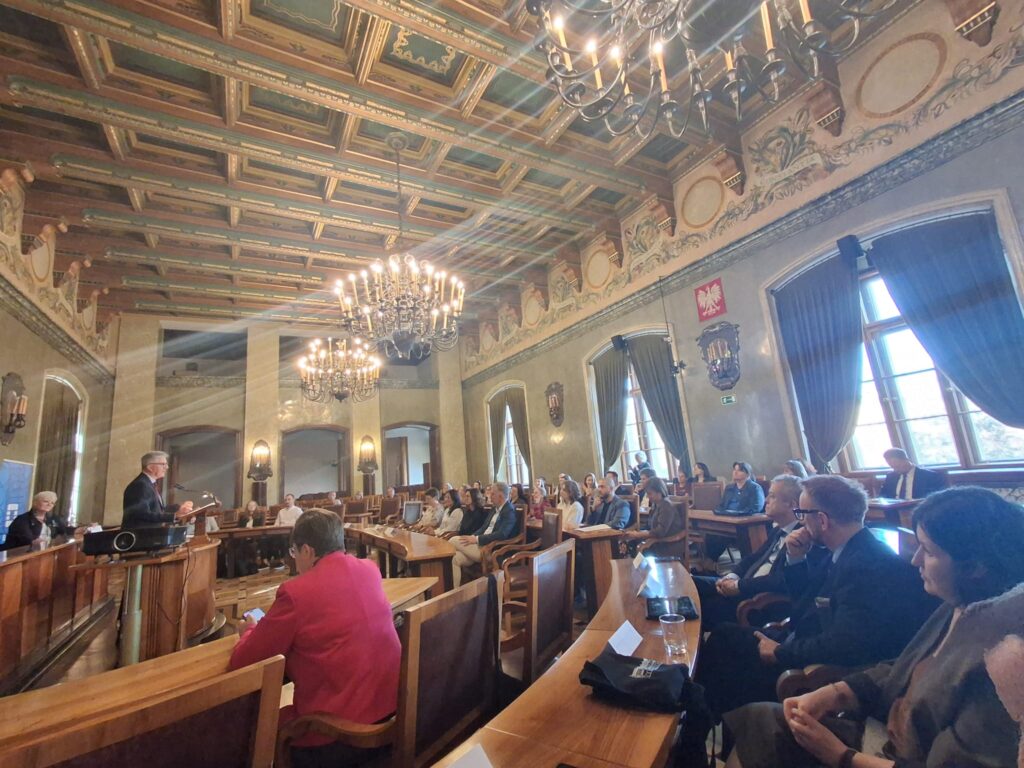
A nationwide pilot of a new model of school placements for future teachers. Good teacher education cannot happen only at university or only at school, so we make schools full partners of universities in training new teachers – and recognise the mentors who take student teachers into their classrooms.
The pilot runs with the Ministry of Education, the Ministry of Science and Higher Education, the Centre for Education Development (ORE), the University of Warsaw, the University of the National Education Commission in Kraków, the University of Rzeszów and the cities of Warsaw, Kraków and Rzeszów. In Kraków alone, 10 schools joined in October 2026.
Nie patrzmy w bok
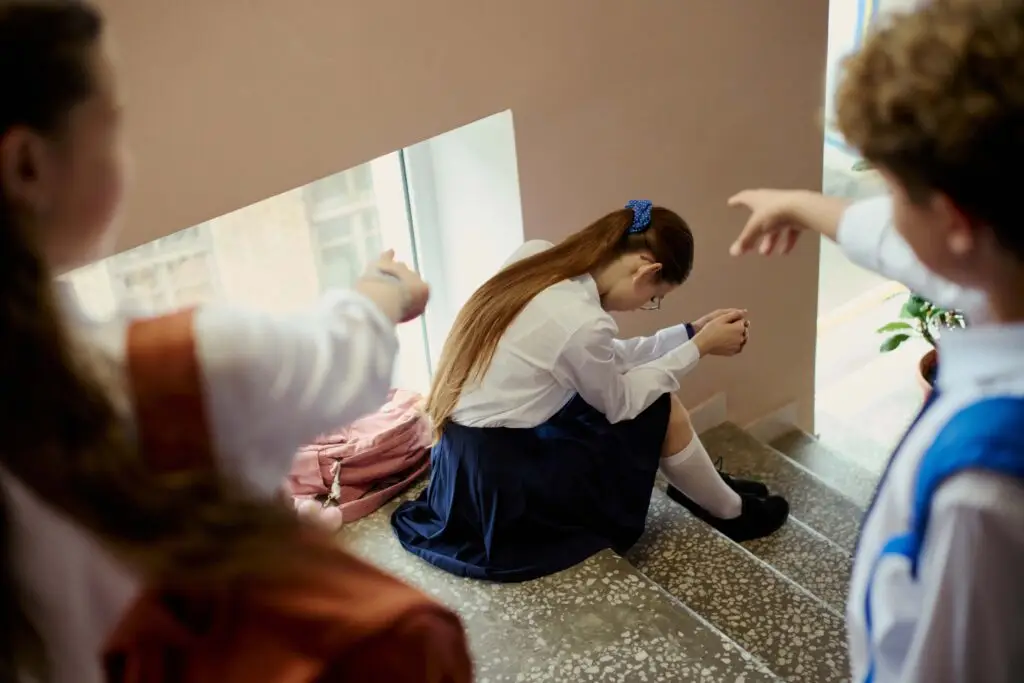
Free materials against hate and peer violence, including towards students from Ukraine. Lesson plans and posters focus on bystanders – the people who most often decide what happens next.
Dbamy o klimat w szkole
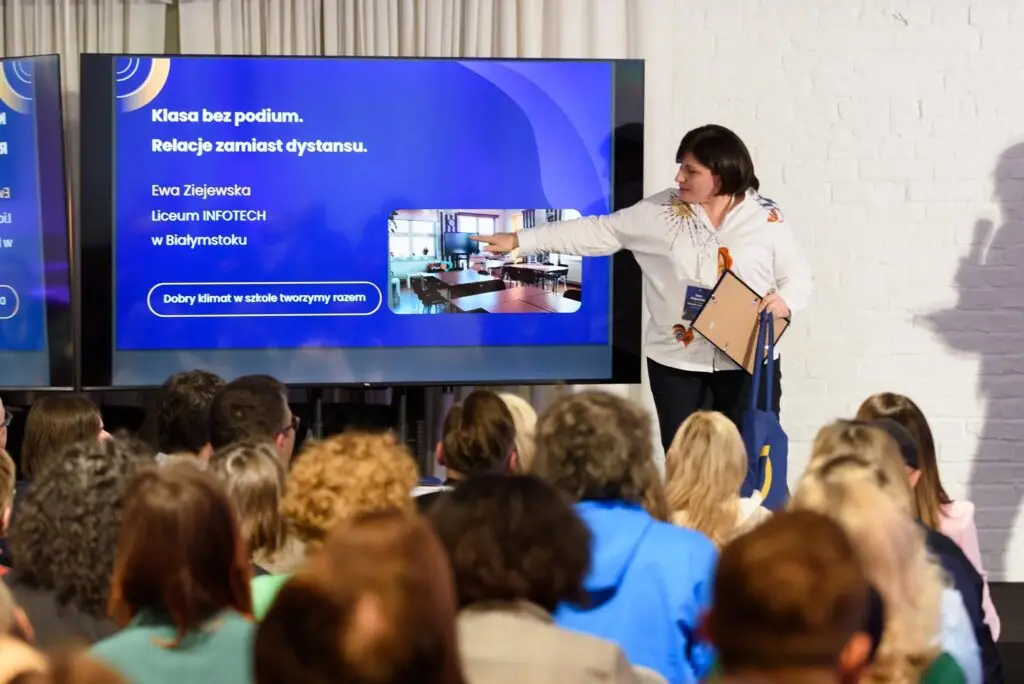
A national contest for schools that build good relationships and wellbeing. In 2025 it drew 67 entries, and seven schools received awards.
Liderki dla Edukacji
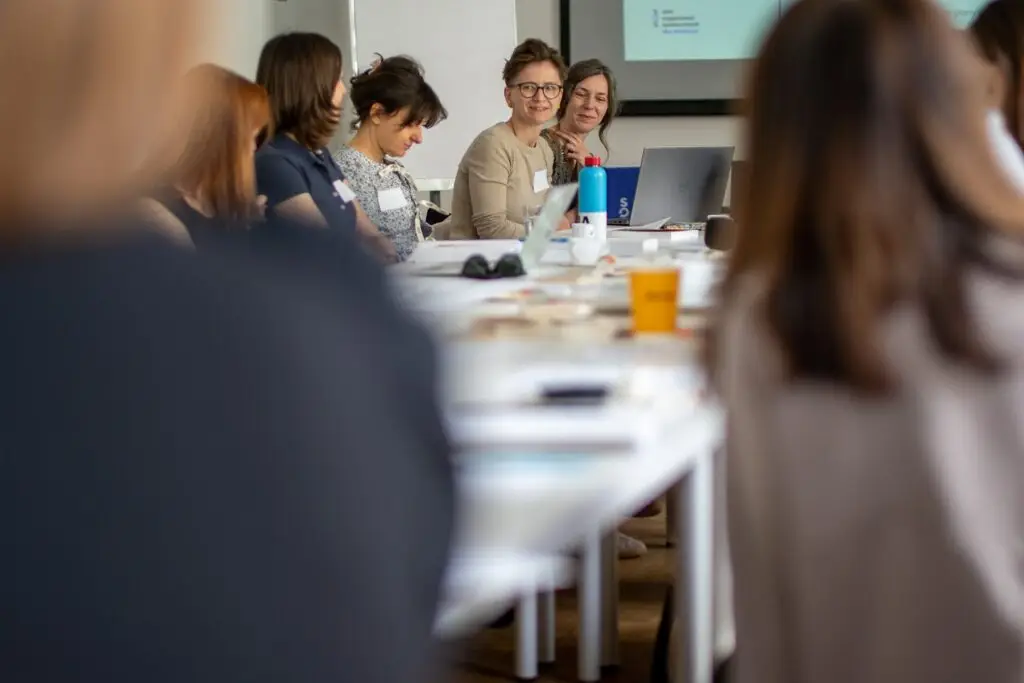
A programme of professional development and networking for women leading the work of our think tank, launched in 2026.






Poland’s education reform will take years. We want to be the place where its next steps are worked out – independently of who is in government.
01
Ahead of the 2027 parliamentary elections, we will offer all political parties a short set of evidence-based proposals for Polish schools.
02
The first edition will be presented at the Summit for Education in December 2027.
03
We want to take tested pilots, such as Mistrzowskie Praktyki, from three cities to more regions, together with local governments.
04
We are building a professional team and diversified funding, so that the network can respond quickly and plan for the long term.
We work with the Ministry of Education, the Centre for Education Development (ORE), the Educational Research Institute (IBE), universities and local governments.
SOS for Education is an informal coalition of civil society organisations. Our host organisation, the Civis Polonus Foundation, has worked for civic education and youth participation for more than 20 years and provides the network with formal and administrative support. The network is run by a small coordinating team and expert leaders of the think tank.
Lead Expert
Teacher Education; Coordinator of Mistrzowskie Praktyki
Local Education Policy; Women Leaders for Education
Civic Education; President of the Civis Polonus Foundation
Projects and Organisational Development
Network Coordinator
Communications
We are looking for partners who want lasting, systemic change in education – not one-off projects.
Write to us and we will send you our English leaflet and selected policy briefs.
SOS for Education
ul. Smolna 20/6, 00-375 Warsaw, Poland
Schools are a public matter. Better schools are our common cause.


